

A lock is a fastening device designed to control and restrict access to something valuable. It works by using a key, code, card, or biometric identifier to engage or disengage a mechanism that either allows or blocks movement of a door, drawer, or other secured object. Think of it as a gatekeeper for your stuff.
Locks have been around for thousands of years, and they remain one of the most trusted security tools today. But not all locks are created equal, and choosing the right one depends on what you’re protecting and where it’s located.
Types of Locks You’ll Run Into
There are way more lock varieties than you might think. Let’s break down the most common ones you’ll encounter at home, in your car, or at your business.
Mechanical Pin Tumbler Locks
This is the classic lock you see on most residential doors. Inside the lock is a series of small pins at different heights. When you insert the correct key, it aligns all the pins to the shear line, allowing the cylinder to turn and unlock the mechanism. It’s simple, reliable, and has been the industry standard for decades.
Deadbolt Locks
A deadbolt is a lock where the bolt is thrown and withdrawn by the key and thumb turn, not spring action. They’re stronger than spring latches and way harder to bypass. Most homes have at least one deadbolt on the front door, and many business owners add them to employee entrances and storage areas.
Keypad and Digital Locks
Instead of fumbling with keys, you punch in a code. These locks are becoming super popular for modern homes and commercial spaces because they eliminate lost keys and make it easy to change access codes. Some let you grant temporary codes to contractors, cleaners, or family members without handing over a physical key.
Smart Locks and Electronic Systems
Smart locks connect to your phone or other devices, letting you lock and unlock remotely. Some integrate with home automation systems or require a fingerprint or RFID card. They’re convenient but require power (usually batteries) and come with tech considerations if the system goes down.
Padlocks
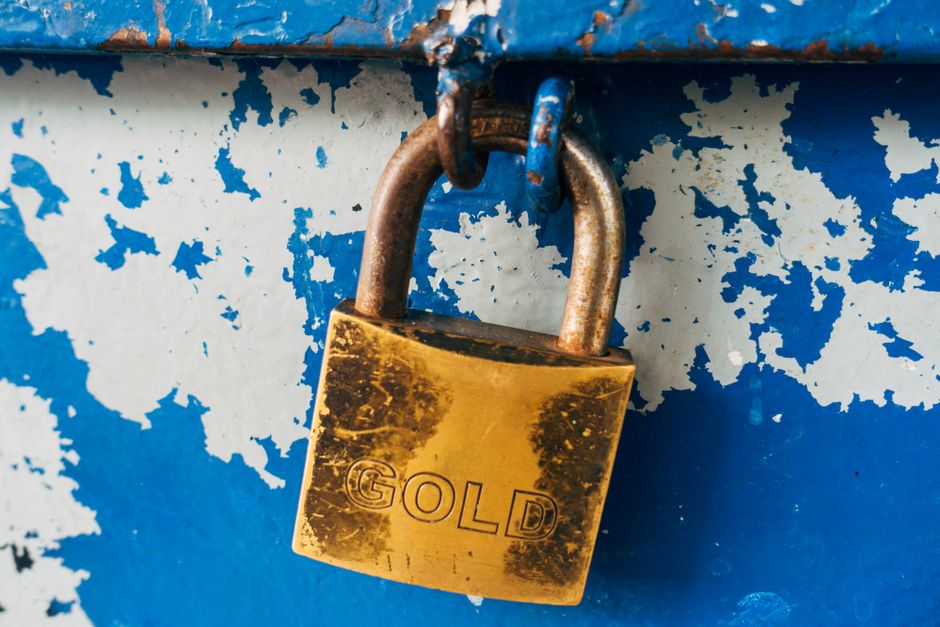
Portable locks that can secure gates, storage boxes, lockers, or equipment. They range from basic keyed padlocks to combination styles. Padlocks are popular for outdoor and temporary applications because they’re affordable and movable.
Mortise Locks
These are built into the door itself rather than mounted on the surface. They’re more durable and tamper-resistant, which is why they’re often found on commercial doors, office suites, and high-security residential doors. They’re also more expensive to install and replace.
Related: What Is a Mortise Lock? Complete Guide for 2026
Related: Locksmith Services: What You Need to Know
Related: What Is an Auto Tech Locksmith? Services & When You Need One
Related: Ignition Locksmith Car Services: When & How to Get Help
Related: Car Locksmith Services: What You Need to Know in 2026
How a Lock Actually Works
The basic principle is the same across most mechanical locks: a key or code creates the right alignment of internal components to move a bolt.
Inside a standard pin tumbler lock, there’s a plug (the part the key goes into) and a bible (the outer shell). The pins sit in both. When the wrong key is inserted, the pins don’t align, and the lock stays stuck. When the right key slides in, it lifts each pin to the exact shear line. Once all pins are at that line, the plug can rotate freely, retracting the bolt and opening the door.
Electronic locks work differently. You enter a code, tap a card, or provide a biometric scan, and the lock’s circuit board verifies the input against stored credentials. If it matches, a solenoid or motor engages and pulls back the bolt.
When You Need a Professional to Help
Not every lock problem is a DIY situation. Here’s when you should reach out to someone who knows what they’re doing.
Related: How to Open a Car Door: Safe Methods & Professional Help
Lockout Situations
You’re locked out of your home, car, or office. Trying to force your way in usually causes damage and makes the problem worse. A locksmith can get you back inside quickly and safely. Hero Locksmiths handles emergency lockouts in the Sarasota and Nokomis area with fast response times.
Need locksmith services?
Related: Emergency Vehicle Lockout Assistance: Fast Help When You Need It
Broken or Worn Locks
If your key is hard to turn, gets stuck, or won’t engage the bolt anymore, the lock is likely worn out. A broken lock compromises your security and needs replacement. Lock replacement is a straightforward job for professionals.
Lost or Stolen Keys
When a key goes missing, you have two main options: rekey the lock (changing the internal pins so the old key no longer works) or replace it entirely. Rekeying is usually cheaper if the lock is still in good condition. For added security, you might also want to upgrade your security after a break-in or theft.
Security Upgrades
If you’re concerned about the security of your property, a professional can assess your current locks and recommend upgrades. Maybe you need stronger deadbolts, keypad locks for employee access control, or electronic systems that log who enters and when.
Related: Access Control Vestibule: Security Setup Guide
Car Key Replacement
Modern vehicles have complex key systems including programmable key fobs and transponder chips. If you’ve lost your car key or need a spare, car key replacement requires specialized equipment and expertise that a dealership or locksmith can handle.
Why Professional Lock Services Matter

A professional locksmith brings experience, proper tools, and knowledge of current security standards. They can diagnose problems quickly, avoid damage during repairs, and recommend solutions tailored to your specific situation. Plus, many locksmiths back their work with warranties.
After 22 years in the industry, Hero Locksmiths understands residential, commercial, and automotive lock needs. They offer a 90-day workmanship guarantee and prioritize getting you fast service when you need it most.
Common Lock Problems and Quick Fixes
Not every lock issue requires replacement. Sometimes simple maintenance helps.
- Stiff key: Try graphite powder or a lock lubricant (not WD-40, which attracts dust). Slide the key in and out several times to distribute the lubricant.
- Key breaks inside the lock: Stop trying to jiggle it. Call a locksmith who has tools to safely extract the broken piece without damaging the lock cylinder.
- Loose door handle: Check the screws connecting the handle to the door. Tighten them if needed. If the lock itself is loose, a locksmith should inspect it.
- Lock won’t turn after being exposed to cold: Moisture inside the lock may have frozen. Wait for it to thaw naturally, and consider having it serviced to prevent rust.
Understanding Lock Security Standards
Not all locks provide the same level of security. According to the National Institute of Standards and Technology (NIST), security standards vary based on lock grade, construction, and intended use.
Commercial locks are often graded by ANSI (American National Standards Institute) from Grade 1 (highest security) to Grade 3 (basic security). Residential locks typically fall into the Grade 2 or 3 range. If you’re securing valuable inventory, sensitive equipment, or high-traffic areas, Grade 1 locks are worth the investment.
Electronic locks add another layer because they can log access, restrict codes to certain times, and send alerts. They’re ideal for businesses wanting to monitor who’s coming and going.
Getting the Right Lock for Your Needs
Start by asking yourself a few questions: What am I protecting? Who needs access? How often does the lock get used? What’s my budget?
A family home might do fine with quality deadbolts on entry doors and a keypad lock on the garage. A small retail shop might need a sturdy mortise lock on the front, access control for the back room, and a safe lock for the register area. An office building might require electronic locks with audit trails.
The best choice balances security, convenience, and cost. When you’re unsure, talking to a professional helps clarify the options. Whether you need rekeying, Hero Locksmiths can assess your property and recommend the right solutions for your budget and security goals.
Maintenance Tips to Keep Your Locks Working
Good maintenance extends lock life and prevents surprises.
- Keep locks clean and dry. Moisture and dirt invite rust and jamming.
- Test locks regularly. Don’t wait until you’re locked out to find out something’s wrong.
- Replace keys that are worn, bent, or damaged before they break inside the lock.
- For businesses, rotate codes and update access lists when employees leave.
- Have professional inspections yearly, especially on high-traffic doors or older locks.
A little preventive care saves you money and headaches down the road.
Next Steps: Get Professional Lock Help
If you’re dealing with a broken lock, lockout, or wondering whether your current security setup is adequate, reach out to a local professional. In the Sarasota and Nokomis area, Hero Locksmiths offers fast, reliable service with a 90-day guarantee on all work. They handle residential lockouts, commercial security upgrades, and even automotive key programming.
What counts as an emergency lockout?
Any situation where you’re locked out of your home, car, or office and need immediate access is an emergency. Locked out at midnight on a Sunday? That’s still an emergency. Many locksmiths, including Hero Locksmiths, offer 24/7 emergency services.
How much does it cost to replace a lock?
Basic residential lock replacement typically ranges from $100 to $300 depending on the lock type and complexity. Commercial or high-security locks cost more. Always ask for a quote before work begins.
Can I rekey a lock myself?
Technically, rekeying kits exist for homeowners, but they’re tricky. If you mess up the pin arrangement, the lock becomes unreliable or useless. It’s usually worth paying a professional to do it right, especially for valuable properties.
What’s the difference between rekeying and replacing a lock?
Rekeying changes the internal pins so an old key no longer works but keeps the existing lock body. Replacement removes the entire lock and installs a new one. Rekeying is faster and cheaper if the lock is in good condition. Replacement is necessary if the lock is damaged or if you want a different type or style.
Need locksmith services?