

Upgrading to a keypad entry lock gives you keyless access to your home, better security control, and the convenience of no more fumbling for keys. If you’re thinking about doing this yourself or just want to understand the process, here’s exactly what residential keypad entry lock installation involves.
What You Need to Know About Residential Keypad Entry Lock Installation
Residential keypad entry lock installation is straightforward and takes about 10 to 15 minutes for most standard residential doors. You don’t need special tools or locksmith expertise to handle it. The lock retrofits onto your existing door frame, which means you’re replacing what’s already there without any major modifications.
Related: Residential Lock Repair Sarasota Florida: A Complete Guide
Related: How to Rekey a Lock Yourself: Step-by-Step Guide
The basic process involves removing your old deadbolt or keyknob, preparing the door opening, and installing the new keypad lock in its place. If you’re not comfortable doing it yourself, Hero Locksmiths can handle the installation quickly and guarantee the work.
Related: Commercial Keypad Lock System Installation Guide
Step 1: Remove the Old Lock Hardware
Start by removing all screws from your existing deadbolt, doorknob, and strike plate. The strike plate is the metal piece on the door frame that the bolt slides into.
You’ll typically find screws on both sides of the door. Remove them carefully and keep them in a small container so you don’t lose them. Pull off the old hardware and set it aside.
Take a moment to inspect the door opening. Look for any damage or debris inside the hole where the lock sat. Clean it out if needed.
Step 2: Inspect and Prepare the Door
Once the old lock is off, examine the door and frame closely. Make sure the holes line up properly and aren’t damaged or misaligned. Most keypad locks are designed to fit standard residential door openings, so you should be good.
Check the strike plate area on the door frame. If the old strike plate doesn’t fit the new lock’s bolt size or angle, you’ll need to replace it. Most keypad locks come with a new strike plate, but double-check your lock’s instructions.
Step 3: Install the New Keypad Lock
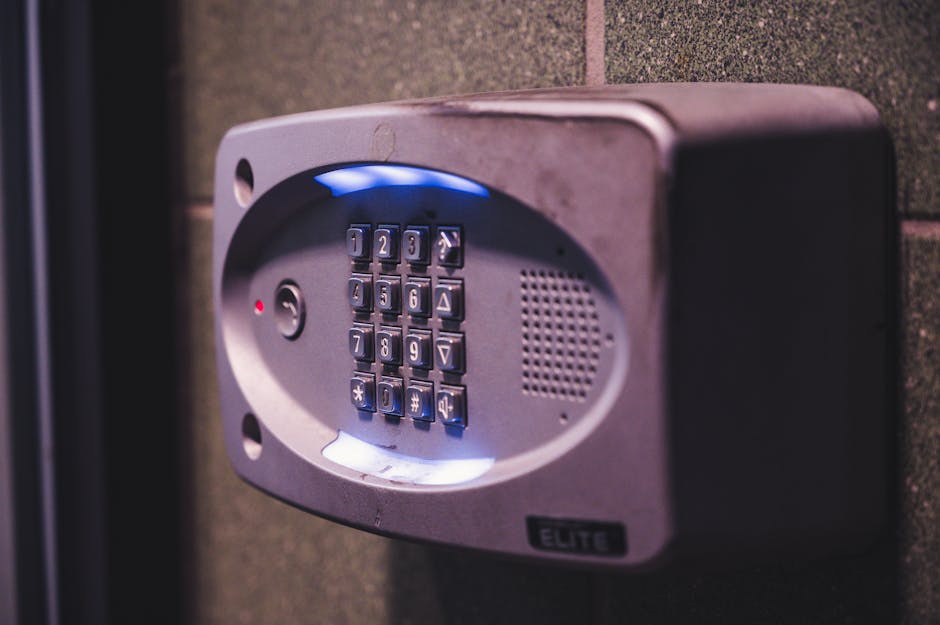
Remove the new keypad lock from its packaging and read the installation instructions carefully. Every brand is slightly different, and the instructions will tell you the exact order of assembly.
Usually, you’ll insert the internal mechanism through the door from the inside, then attach the exterior keypad unit and secure everything with screws. Make sure all components are aligned before tightening anything down.
Test the lock by pressing your code into the keypad. You should hear a click or feel the bolt move. If nothing happens, double-check that all screws are tight and that the batteries are installed (if your lock runs on batteries).
Step 4: Replace the Strike Plate
The strike plate on the door frame needs to match your new lock’s bolt. If you’re installing a new strike plate, remove the old one by unscrewing it from the frame.
Position the new strike plate so the bolt slides smoothly into it. Mark the screw holes with a pencil, then screw it down firmly. The strike plate should be flush with the door frame with no gaps.
Step 5: Test Everything
Now it’s time to test your new keypad lock from both sides of the door. Close the door and try entering your code. The lock should engage smoothly.
Open the door and test it from the inside. Make sure the deadbolt extends and retracts properly. Check that the door closes and locks without binding or sticking.
If your lock has a backup key or keyed override, test that too. You want to know all your options for getting in.
Keyed Vs. Keyless Entry Systems
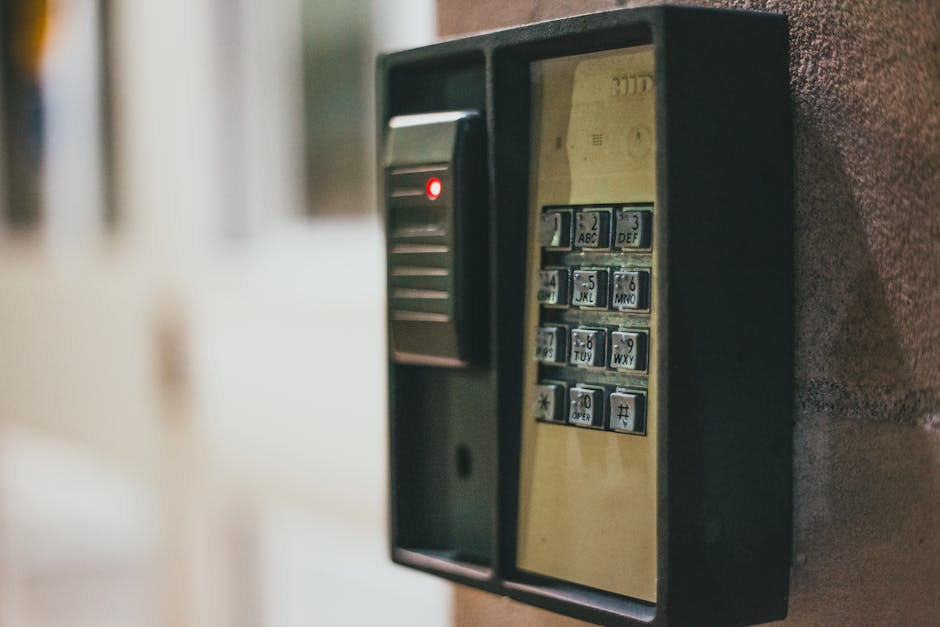
Most keypad locks follow the same basic installation steps whether they’re keyed or keyless. The main difference is whether there’s a traditional key slot on the outside.
Keyed keypad locks give you a backup entry method if the keypad fails or the batteries die. Fully keyless systems are simpler but require either backup codes, a mobile app, or a manual override method you’ve set up in advance.
Both types install in roughly the same timeframe. The choice comes down to your security preference and backup access needs.
When to Call in a Professional
Installation is designed to be straightforward, but not every door is standard. If your door has a non-standard thickness, if the bolt holes don’t line up, or if you’re uncomfortable working with screws and mechanisms, it’s worth getting help.
Hero Locksmiths can install your keypad entry lock quickly and make sure everything works perfectly. With over 22 years of experience, they stand behind every installation with a 90-day guarantee, so you know the job is done right.
Need locksmith services?
Smart Home Integration and Setup
Some keypad locks integrate with smart home systems, letting you unlock your door remotely, track who comes and goes, or set temporary access codes for guests.
If your new lock has smart features, the initial setup usually happens through a mobile app after installation. You’ll pair the lock to your home network and create your access codes there.
Follow the lock’s app instructions step by step. Smart integration is optional, but it does add another layer of convenience and security to your home.
What’s the difference between installing a keypad lock and replacing a regular deadbolt?
The installation process is almost identical. Both involve removing old hardware, preparing the door, and installing new components. The main difference is that a keypad lock needs batteries or a power connection, and you’ll need to program access codes instead of having a physical key. The actual mechanical installation takes the same 10 to 15 minutes.
Do I need a special door for a keypad lock?
No. Keypad locks are designed to retrofit onto standard residential doors. As long as your door has a standard deadbolt hole (usually 2 1/8 inches in diameter), a keypad lock will fit. If your door is unusually thick or has non-standard holes, that’s when you might run into compatibility issues. Measure your door thickness and check the lock’s specifications before buying.
What happens if my keypad lock batteries die?
Most keypad locks have a low-battery warning that alerts you through the app or with a beep at the keypad. If batteries do die, you’ll have a backup access method. Keyed versions let you use a physical key. Keyless models often have a manual override slot where you can plug in a USB charger or use a backup power supply. Always keep backup access options in mind when you choose your lock.
Can I install a keypad lock on a rental property or apartment?
That depends on your lease and landlord. Many rental agreements restrict lock changes without permission. Check your lease first, and if you want to upgrade, ask your landlord in writing. Some landlords allow temporary smart locks that don’t permanently alter the door. If you need help figuring out your options, Hero Locksmiths can advise you on what’s possible with your specific situation.
Need locksmith services?