

Yes, you can rekey a lock yourself, and it’s way easier than you might think. If you’ve got a basic residential lock and the right kit, you can change which key opens your lock in about 30 minutes. But before you dive in, let’s walk through what rekeying actually is, what you’ll need, and when it makes sense to call a professional locksmith instead.
What Does Rekeying a Lock Mean?
Rekeying is when you change the internal pins inside a lock so it works with a different key. You’re not replacing the entire lock—just the guts. This is different from replacing the lock entirely.
Think of it like this: the lock cylinder has a series of pins stacked inside it. Right now, your current key pushes those pins to exactly the right heights so the cylinder can turn. When you rekey, you swap out those old pins for new ones, so only a new key will work.
Why would you do this? Maybe you bought a house and want a new key. Maybe a roommate moved out. Or you lost your keys and want fresh security without buying new locks.
Can You Actually DIY This?
Here’s the honest answer: yes, but only for basic locks. If your lock is a standard Schlage, Kwikset, or similar residential keyed entry lock, you’ve got a real shot at success.
The tricky part? You need a rekeying kit that matches your specific lock brand. Schlage kits work on Schlage locks. Kwikset kits work on Kwikset locks. Mix them up, and you’re stuck.
Related: Residential Lock Rekeying Sarasota Florida: Full Guide
Related: Business Lock Rekeying in Nokomis: Complete Guide & Cost
Related: Car Key Fob Not Working? Replacement & Fix Guide
Start simple. Pick a lock you don’t use much for your first attempt—like a garage side door or a spare bathroom. Don’t start with your main front door lock.
Tools and Supplies You’ll Need
Grab these before you start. Seriously. Having everything ready prevents frustration halfway through:
- A rekeying kit for your specific lock brand (includes new pins and a tool to remove the old ones)
- Your new key (the one you want to work)
- A small flathead screwdriver
- Your current working key (to help position the lock)
- A small container to hold the tiny pins (they roll everywhere)
- Needle-nose pliers
- A workbench or well-lit table
Buy your rekeying kit online or at a hardware store. Double-check that it matches your lock brand. This is non-negotiable.
Step-by-Step: How to Rekey a Lock Yourself

Step 1: Remove the Lock from the Door
Most residential locks have screws on the interior side. Remove those screws, and the lock should slide right out. If it’s stuck, wiggle gently. You might need to unscrew the trim ring holding it in place.
Set those screws somewhere safe. Small hardware disappears fast.
Step 2: Insert Your Current Key and Position It
Stick your old working key in the lock cylinder. Turn it so the cylinder is in the “unlocked” position (usually 180 degrees from where it started). This is critical—the pins inside need to be aligned correctly so you can remove the cylinder plug.
Step 3: Remove the Cylinder Plug
The rekeying kit comes with a special tool (usually looks like a tiny wrench or follower). This tool holds the pins in place while you remove the cylinder. It’s the secret sauce.
Push the tool into the back of the lock cylinder (where the key goes) and turn it gently until it clicks or catches. This keeps all the pins from falling out. Now use a small flathead screwdriver to remove the retaining clip (called a C-clip) on the back of the cylinder. This clip is what holds everything together, so go slow.
Step 4: Remove the Old Pins
Once the C-clip is off, you can gently slide the cylinder plug out. Hold it over your container—those tiny pins will start falling. Catch them so they don’t roll under your workbench and vanish forever.
The cylinder plug is like a hollow tube. Tip it over your container and let all the old pins fall out. You should see about 5-6 pins, depending on your lock.
Step 5: Insert Your New Key and Add the New Pins
Now insert your new key into the empty cylinder. The rekeying kit comes with new pins in different heights. Your job is to figure out which pins go where.
This is where it gets tricky. The kit usually includes a reference card or guide that tells you the pin heights based on your new key. Match the cuts on your new key to the pin heights, then stack them inside the cylinder in the right order.
Related: What is Shift Lock in a Car? Safety & Release Guide
The pin stack should sit flush when your new key is inserted. If it’s sticking up or falling short, you’ve got the wrong height somewhere.
Step 6: Reassemble Everything
Once all new pins are seated correctly, carefully reinsert the cylinder plug into the lock body. Replace the C-clip to hold it all in place. Test your new key—it should turn smoothly.
If the key doesn’t turn, stop. Don’t force it. You probably have a pin height wrong. Remove the C-clip again and adjust.
Once it works, reinstall the lock back on your door, tighten those screws, and test your new key one more time.
When You Should Skip the DIY and Call a Pro
Real talk: DIY rekeying is great if you’re comfortable with small mechanical tasks and have a basic lock. But there are situations where you should definitely call a professional instead.
Commercial locks: If you’re rekeying an office building, storefront, or any business property, hire a pro. These locks are often more complex, and mistakes can compromise your security or violate commercial lease agreements.
Master key systems: If your locks are part of a larger system where some keys open multiple doors, that’s too complicated for DIY. Professional locksmiths have the tools and knowledge to maintain those systems properly.
Related: Commercial Keypad Lock System Installation Guide
High-security locks: Locks with patented designs or restricted keyways are designed to stop DIY rekeying. You’ll need a professional.
You feel stuck: If at any point you’re confused or something doesn’t feel right, stop and call someone. Better to spend the money than break your lock or get the pins wrong.
If you’re in the Sarasota or Nokomis area and you’re unsure whether your lock is a DIY job, Hero Locksmiths can walk you through it or handle the whole rekeying for you. We’ve got 22 years of experience and can usually get to you fast.
Need locksmith services?
Common Mistakes to Avoid
Using the wrong kit: Seriously, check your lock brand three times. A Schlage kit won’t work on a Kwikset lock, period.
Forcing the key: If your new key doesn’t turn smoothly, something’s wrong. Don’t jam it. You could break the lock or break your key.
Losing pins: Keep those tiny pins in a container. One missing pin ruins the whole job.
Skipping the C-clip removal: The retaining clip is small, but it’s essential. If you don’t remove it correctly, you won’t be able to slide the cylinder out.
Not testing after reassembly: Test your new key before you close the door and lock yourself out. Do it while the lock is still in your hands.
Cost Comparison: DIY vs. Professional
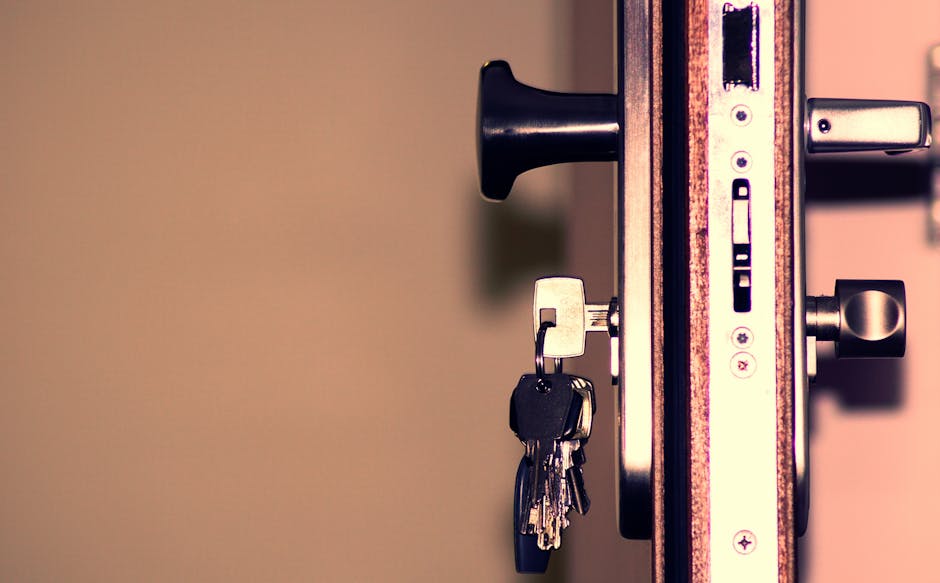
A rekeying kit usually costs $10-$30, plus your time (maybe 30-60 minutes if you’re new to this). Professional rekeying typically runs $50-$150 per lock, depending on complexity and your location.
So if you’re rekeying one basic lock, DIY saves you money. If you’re doing multiple locks or you’re unsure about your lock type, a professional service usually makes more sense—especially because Hero Locksmiths backs their work with a 90-day guarantee.
Also consider: if something goes wrong with DIY, you might need to pay for lock replacement anyway, which costs way more.
Key Takeaways
Rekeying a lock yourself is doable if you’ve got a standard residential lock, the right kit, and patience. The process involves removing the lock, taking out the old pins, installing new ones that match your new key, and reassembling everything.
But if you’re dealing with a commercial lock, a master key system, a high-security lock, or you’re just not confident, call a professional. Locksmiths do this all day, every day. They’ll get it right the first time, and you’ll have peace of mind.
For residents in Sarasota and Nokomis, Hero Locksmiths offers professional rekeying services with fast response times and a satisfaction guarantee. Whether you decide to DIY or call us, we’re here to help.
People Also Ask
How long does it take to rekey a lock?
A DIY rekey typically takes 30-60 minutes if you’re new to it. Professional locksmiths usually finish in 15-20 minutes per lock because they’ve done it hundreds of times. Emergency rekeying services are available if you need it done fast and don’t want to DIY.
Can you rekey a lock without the original key?
Yes, but it’s harder. Without the original key, you can’t easily position the cylinder for removal. Most rekeying kits assume you have a working key. If you don’t, a professional locksmith has tools to work around this, but it’s more complicated and expensive.
Is rekeying cheaper than replacing a lock?
Yes, way cheaper. Rekeying costs $50-$150 per lock. Replacing a lock costs $150-$400+, depending on the lock quality. If your lock still works, rekeying is the budget-friendly choice. Only replace if the lock is damaged or you want a different style.
Will rekeying a lock damage it?
Not if you do it right. If you’re careful and follow the steps, rekeying doesn’t damage the lock. The only risk is if you force something or use the wrong kit. Professional locksmiths have the experience to avoid these mistakes, which is another reason to call them if you’re nervous.
Can you rekey a lock with a master key system?
Probably not safely on your own. Master key systems are complex because the pins and springs are set up so multiple keys work. Changing one lock might break the whole system. Always hire a professional for master key rekeying.
Need locksmith services?