

Installing a commercial keypad lock system isn’t something you can DIY on a Saturday afternoon. This is specialized work that requires licensed professionals, the right tools, and a solid understanding of access control. If you’re managing a business in Sarasota or Nokomis and thinking about upgrading your locks, here’s what you actually need to know.
What Is a Commercial Keypad Lock System?
A commercial keypad lock system is a multi-credential access control solution that lets authorized users enter a building or room by entering a code, using a key fob, scanning a mobile credential, or tapping an NFC card. Unlike residential deadbolts, these systems are built for high traffic, multiple users, and integration with other security infrastructure.
Modern commercial keypad readers support key fobs, mobile credentials via Bluetooth or Wi-Fi, NFC technology, and traditional keypads all at once. That flexibility is why businesses choose them over basic locks. You get convenience, audit trails, and the ability to grant or revoke access instantly without rekeying.
Related: How to Rekey a Lock Yourself: Step-by-Step Guide
Related: What is Shift Lock in a Car? Safety & Release Guide
Why Professional Installation Matters for Commercial Keypad Lock Systems
Here’s the thing: commercial keypad lock system installation requires narrow stile locks, specialized mortising of your door frame, and exact alignment of the latch and strike plate. One millimeter off, and your lock won’t work properly. Worse, a badly installed system creates security gaps.
Licensed locksmiths have the tools, knowledge, and experience to set up master key systems, integrate multiple credential types, and ensure everything works seamlessly. Hero Locksmiths brings 22 years of commercial locksmith experience to every installation, which means your system gets done right the first time.
Related: Master Key System for Business Sarasota: Complete Guide
A professional also helps you avoid costly mistakes, like choosing a system that doesn’t integrate with your existing doors or doesn’t support the access control features your business actually needs.
Steps Involved in Installing a Commercial Keypad Lock System
1. Site Assessment and System Selection
Your locksmith visits your building and evaluates your doors, frame types, existing hardware, and security goals. They’ll recommend systems from trusted manufacturers like Schlage, Yale, Sargent, or ASSA Abloy based on your specific needs.
This is where professional consultation shines. Not all doors are suitable for all locks, and not all businesses need the same features. A healthcare facility has different requirements than a retail store.
2. Door Frame Preparation
Commercial keypad readers require mortising (cutting recesses) into the door frame to accommodate the narrow stile lock hardware. Your locksmith measures and marks the precise location, then carefully removes material to create a flush fit.
This step determines whether your system will function reliably long-term. Sloppy work here causes misalignment, which leads to jammed locks and access failures.
3. Lock Body and Reader Installation
Once the frame is prepped, the locksmith installs the lock body (the mechanical core), the electronic reader, and any associated wiring. Power requirements vary—some systems use battery backup, others hardwired connections.
Modern sleek readers are designed for relatively fast installation compared to older systems, but the actual timeline depends on your setup, how many doors you’re upgrading, and whether you need integrated master key functionality.
4. Master Key System Setup (If Needed)
If you need different access levels for different staff (managers open all doors, employees access only their areas), your locksmith configures a master key system. This requires precision and detailed planning to ensure the hierarchy works without creating security vulnerabilities.
5. Credential Configuration and Testing
The locksmith programs key fobs, mobile credentials, and access codes. They test every credential type, every door, and every permission level to make sure the system responds correctly. This includes testing backup battery power and credential synchronization.
6. User Training and Documentation
A good installer walks your staff through how to use the system, what to do if a card or fob stops working, and how to report access issues. They’ll also provide documentation for your facility records.
What Manufacturers and Credential Types Are Standard in 2026?
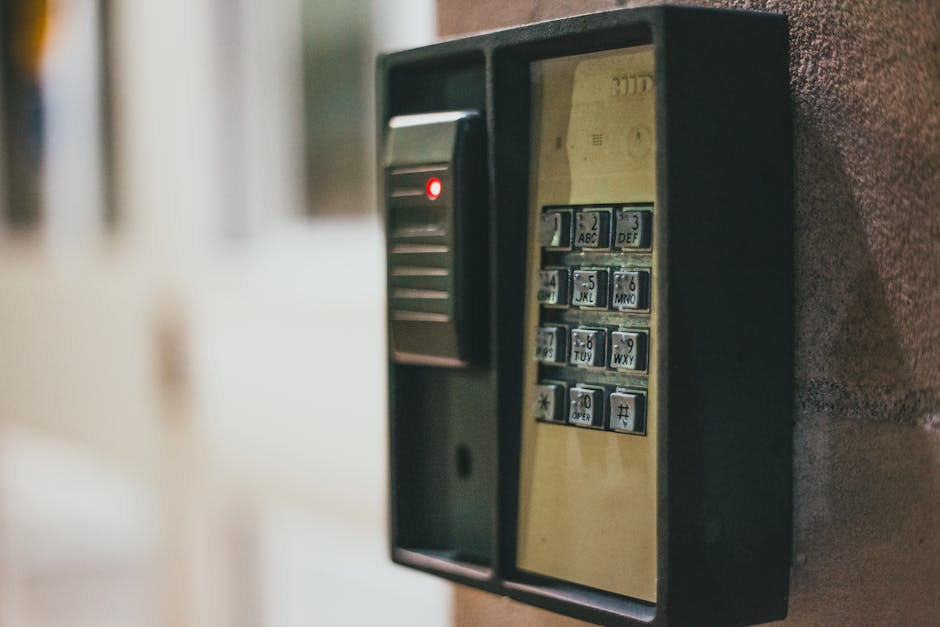
Leading commercial lock manufacturers have standardized around multi-credential readers that support:
- Keypads (numeric or alphanumeric codes)
- Key fobs (RF technology)
- Mobile credentials (Bluetooth, Wi-Fi, or cellular)
- NFC cards (tap-to-open, like contactless payment)
- Traditional mechanical keys (backup)
Most modern systems emphasize mobile credential compatibility because employees already carry phones. Your team can unlock a door without carrying another card or remembering another code. That’s the direction the industry moved in recent years.
All of these credential types can coexist on a single reader, and your access control admin can manage permissions from a central dashboard.
How Long Does Installation Take?
A single-door installation with straightforward frame conditions might take 2-4 hours. Multi-door installations, complex master key setups, or doors with unusual frame materials can take a full day or longer.
If you’re upgrading an office building with 20 doors and integrating with your existing security network, expect your locksmith to coordinate across multiple visits. When you call Hero Locksmiths for a commercial keypad lock system installation, they’ll give you a realistic timeline based on your specific site.
Need locksmith services?
Cost Considerations
Commercial keypad lock systems cost more than residential locks because the hardware is heavier-duty and the installation labor is specialized. You’re paying for professional expertise, quality components, and a system that will handle high-traffic access for years.
Factor in the hardware itself, professional installation, master key programming, and any integration with your existing access control infrastructure. Get quotes from licensed locksmiths so you understand what’s included.
Benefits Beyond Basic Lock and Key
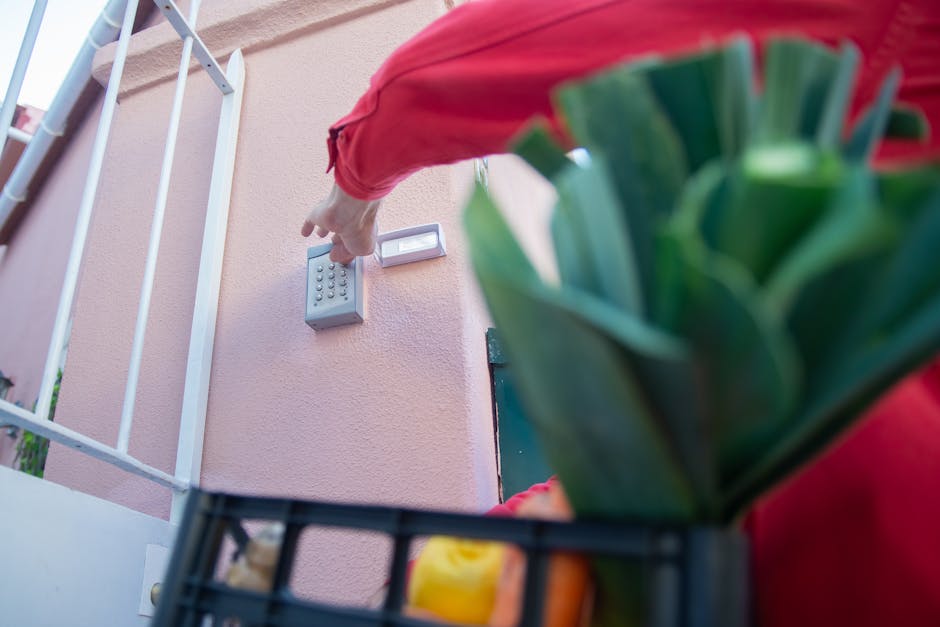
Once your system is installed, you gain access control features that basic locks can’t offer:
- Instant access revocation – Remove a credential immediately if an employee leaves or a fob is lost
- Access logs – See who entered, when, and from which door
- Flexible permissions – Grant temporary access or schedule-based access (e.g., cleaning crew only after 6 PM)
- Multiple credential types – Let users choose what works best for them
- Integration potential – Connect to alarm systems, video surveillance, or larger building automation
These capabilities make commercial keypad systems worth the investment for businesses that need reliable, auditable access control.
Choosing the Right Locksmith for Commercial Installation
Not all locksmiths are equipped for commercial work. You want someone with:
- Licensed credentials and insurance
- Experience installing systems from major manufacturers
- Ability to handle master key configuration
- Fast response times and professional installation standards
- A track record in your area (Sarasota and Nokomis businesses benefit from locksmiths who know local building codes and door types)
Ask about their warranty or guarantee. Hero Locksmiths backs their work with a 90-day guarantee, which means you’re protected if something doesn’t perform as expected.
Common Installation Mistakes to Avoid
Skipping the site visit – Never buy a system online and try to install it yourself or with an inexperienced contractor. A locksmith needs to see your doors and environment.
Ignoring power requirements – Keypad readers need reliable power. If you don’t plan for battery backup or hardwired circuits, your access control fails during outages.
Not planning for future expansion – Buy systems that can scale if you add doors later. Ask your locksmith about expandability.
Forgetting backup credentials – Always ensure traditional mechanical keys work as backup. Electronic systems fail, and you need a way in.
Poor master key planning – If your master key hierarchy is confusing or overcomplicated, it creates security gaps. Work with your locksmith to design a clear, maintainable system.
Why You Should Contact a Professional Now
If you’re managing a commercial property or business and your current access control is outdated or unreliable, reach out to a licensed locksmith for an evaluation. The cost of a consultation is minimal compared to the cost of a security breach or a lockout that disrupts your operation.
A professional locksmith can assess your current setup, recommend solutions tailored to your business, and give you a clear picture of what commercial keypad lock system installation will cost and how long it will take. That information helps you make the right decision for your business.
People Also Ask
Do I need a master key system for my commercial building?
It depends on your staffing structure. If you have multiple access levels (managers access all areas, staff access only certain zones), a master key system is essential. If everyone needs the same access everywhere, you might skip the complexity. Talk it through with a licensed locksmith who can evaluate your security and operational needs.
Can a commercial keypad lock system integrate with my alarm system?
Many modern systems can integrate with alarm panels, video surveillance, and building automation platforms. Your locksmith will advise you on compatibility during the site assessment. Not all systems play nicely together, so professional planning upfront saves headaches later.
What happens if someone forgets their access code?
Your access control admin can reset the code, issue a new fob, or provision a new mobile credential from the system dashboard. No rekeying required. For businesses with high staff turnover, this is one of the biggest advantages of electronic systems over traditional locks.
How often does a commercial keypad lock system need maintenance?
Most systems need minimal maintenance once installed. Battery-powered readers need new batteries every 1-3 years depending on traffic. Hardwired systems are more stable long-term. Your locksmith will walk you through maintenance checks during installation and provide documentation for your facility team.
Need locksmith services?