

Your car door lock is frozen. You’ve got places to be, and you’re standing in the cold turning your key with no luck. Here’s what to do right now: the fastest way to unfreeze your car door lock is to apply hand sanitizer directly into the keyhole, wait 10-15 seconds, then insert your key slowly. The alcohol content in the sanitizer melts the ice quickly without damaging your lock. If you don’t have hand sanitizer, warm (not boiling) water poured over the lock and door frame will work too.
This isn’t a permanent solution, but it’ll get you inside your car today. After you’re in, we’ll talk about how to make sure this doesn’t happen again.
Step-by-Step: Thawing Your Frozen Car Door Lock
Method 1: Hand Sanitizer (Fastest)
Related: Broken Key in Door Lock Removal: DIY & Pro Tips
Related: Stuck Car Door Lock Mechanism: How to Fix It
- Keep a small bottle on your key ring during winter months
- Squeeze sanitizer directly into the keyhole
- Let it sit for 10-15 seconds so the alcohol penetrates
- Insert your key slowly and gently—don’t force it
- Turn the key steadily; the lock should give way as the ice melts
Hand sanitizer works because the high alcohol content has a much lower freezing point than water. It melts ice on contact and dries quickly, so you won’t leave moisture behind that could refreeze.
Method 2: Warm Water
- Fill a cup or bottle with warm (not hot) water from your car’s interior or a nearby building
- Pour it slowly over the door lock and the surrounding door frame
- Wait 30 seconds for the ice to soften
- Insert your key and turn gently
Boiling water is tempting, but don’t use it. The extreme heat can warp your lock mechanism and crack the plastic trim around your door. Lukewarm water is safer and still effective.
What NOT to Do
- Don’t force your key into a frozen lock. You’ll snap the key or damage the lock cylinder
- Don’t use a lighter or matches to heat the lock. Fire + plastic trim = disaster
- Don’t pour boiling water directly on the lock
- Don’t use a screwdriver or pick to chip away at ice in the keyhole
If your key won’t turn after applying hand sanitizer or warm water, stop trying. Forcing it will make things worse. That’s the time to call a professional.
Prevention: Stop Frozen Locks Before Winter
Prevention is way easier than dealing with a frozen lock at 7 a.m. on a Tuesday. Start this approach in early fall before temperatures drop.
Lubricate Your Locks Early
Spray a graphite-based lubricant or WD-40 into your car door locks before winter arrives. This creates a protective layer that resists moisture and ice buildup. Do this in September or October, not December.
Graphite is better than oil-based lubricants because oil can freeze and trap water inside the lock. If you use WD-40, apply it lightly and work the key in and out a few times to distribute it evenly.
Keep Hand Sanitizer With You
Throw a travel-size bottle of hand sanitizer on your key ring now. It takes up almost no space, and you’ll have it ready if you get caught off guard. Bonus: it also works on frozen padlocks and front door locks at home.
Minimize Moisture Around Your Lock
After you drive through rain or snow, park your car and open and close your door a few times. This lets air circulate and helps moisture evaporate from the lock area instead of freezing overnight.
If you live somewhere with brutal winters, consider parking in a garage or under a carport when you can. Even a little shelter makes a difference.
When Should You Call a Professional Locksmith?
A one-time frozen lock that responds to hand sanitizer or warm water isn’t an emergency. But if your lock freezes repeatedly, won’t thaw, or your key breaks inside the lock, you need help from a pro.
A locksmith can inspect your lock mechanism to see if water has gotten inside and is causing recurring ice buildup. They might recommend a lock replacement if the damage is severe, or they can rekey the lock and apply a better protective lubricant that lasts longer.
If you live in the Sarasota or Nokomis area and your car lock keeps freezing or won’t open, Hero Locksmiths can handle it. They offer automotive lock services and can get you back in your car fast without damaging the mechanism.
Need locksmith services?
Why Your Lock Freezes in the First Place
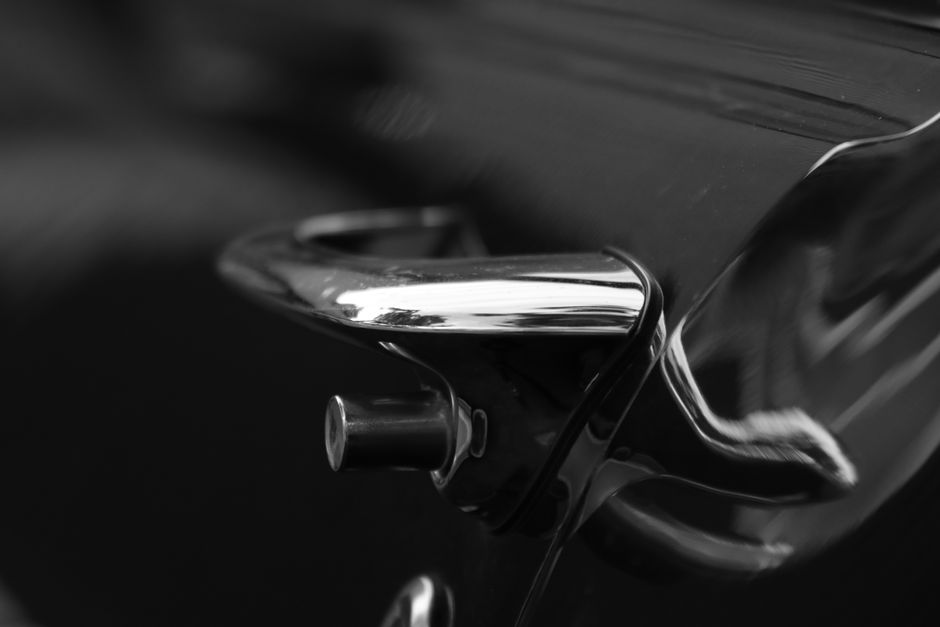
Moisture gets inside your lock when you drive through rain, snow, or humid conditions. At night, that moisture freezes. Over time, repeated freeze-thaw cycles can crack the lock cylinder or freeze the internal pins that let your key turn.
This is especially common in car locks because they’re exposed to weather and get minimal protection compared to a door lock on your house. The metal mechanisms inside are tiny and freeze more easily than larger locks.
Cheap or worn-out locks are more prone to freezing because they don’t seal as tightly around the keyhole. The older your car, the more likely your lock is to have some play in it, which lets moisture sneak in.
Quick Fixes vs. Long-Term Solutions
Hand sanitizer and warm water get you inside today. But if you want to stop this from happening again and again, you need to address the root cause: moisture in your lock.
The best long-term move is to apply a quality graphite or silicone-based lubricant to all your car locks in the fall. This repels water and prevents ice from forming inside the mechanism. Repeat this every fall to maintain protection.
If you’ve had a frozen lock before and it’s still giving you trouble, consider replacing the lock with a newer one that seals better. This is especially worth doing if you live in an area with long, cold winters or frequent freeze-thaw cycles.
A Final Word on Winter Car Lock Care
Frozen car locks are frustrating, but they’re preventable. Start your winterization routine early, keep a bottle of hand sanitizer handy, and check your locks before the first freeze. A little maintenance in fall saves you from being locked out in the cold.
Related: Locked Out of Car? Here’s What to Do Right Now
If you’re dealing with a lock that won’t budge no matter what you try, or if you want a professional to inspect and protect your locks before winter hits hard, a locksmith in your area can help. They’ll make sure your locks stay reliable all season long.
What’s the fastest way to thaw a frozen car door lock?
Hand sanitizer works fastest because the high alcohol content melts ice on contact. Squeeze it into the keyhole, wait 10-15 seconds, then insert your key. Warm water is a close second if you don’t have sanitizer nearby.
Can I use boiling water on a frozen car lock?
No. Boiling water can warp the lock cylinder and crack plastic trim. Use warm water instead—it’s safer and still effective.
Why does my car lock freeze every winter?
Moisture enters the lock when you drive in rain or snow. At night, it freezes. If this happens repeatedly, your lock seal may be worn out, or water is getting trapped inside the mechanism. A professional locksmith can inspect it and recommend a fix.
Should I force my key if the lock is frozen?
No. Forcing a frozen lock will snap your key or damage the lock cylinder. Apply hand sanitizer or warm water first and wait. If it still won’t turn after 30 seconds, stop and call a locksmith.
Need locksmith services?