

An access control vestibule is a small enclosed space at your building’s entrance that controls who gets in and who doesn’t. Think of it as a security buffer zone with two interlocking doors that never open at the same time. Only one door opens, someone passes through, it closes, then the next door opens. It’s a physical checkpoint that prevents unauthorized people from sneaking in behind employees or tailgating through the main entrance.
If you run a commercial facility, medical office, data center, or any business where security matters, you’ve probably seen these in action. They’re becoming standard for good reason. They work alongside your access control system to create a real barrier that’s hard to bypass, no matter how tech-savvy an intruder is.
Related: What Is a Lock? Types, Security & When You Need Help
Related: What Is a Mortise Lock? Complete Guide for 2026
Related: How to Rekey a Lock Yourself: Step-by-Step Guide
Related: Transponder Key Programming Near Me: Your Local Guide
Related: Car Ignition Key Replacement Near Me: Local Guide
Related: How to Unlock a Car Door Safely: Expert Guide
Related: Automotive Locksmith Cost: 2026 Pricing Guide
Related: Car Door Handle Broken? Quick Fix Guide for 2026
Related: What is Shift Lock in a Car? Safety & Release Guide
Related: Combination Lock: Complete Guide for Home & Business
Related: Master Key System for Business Sarasota: Complete Guide
Related: Garage Auto Lock: Complete Security Guide for 2026
Here’s what you need to know about access control vestibules, how they protect your business, and whether your facility needs one. Hero Locksmiths helps businesses in Sarasota and Nokomis strengthen their entry points with modern security solutions, and vestibules are a big part of that conversation.
How an Access Control Vestibule Works
The mechanics are simple but powerful. You walk up to the first door. You scan your badge, punch in your code, or use whatever credential system you have. The first door unlocks and opens. You step inside the small vestibule space. The first door closes and locks behind you automatically.
Now you’re in the buffer zone. Your credentials are verified. If everything checks out, the inner door unlocks. You push through into the secure area. If something’s wrong, or if someone tries to force their way in, both doors stay locked and an alarm triggers.
The beauty of this design is that it creates a “mantrap” effect (security terminology, not a literal trap). Two doors can’t open simultaneously. Even if someone has a fake badge or tries to tailgate behind you, they can’t get through both doors. The system forces one-person-at-a-time passage, and every passage is logged and monitored.
Why Your Business Needs an Access Control Vestibule
Physical security isn’t just about cameras and alarm systems anymore. Determined intruders can bypass electronic locks if they’re clever. But a vestibule stops them cold because it’s a mechanical constraint, not just a digital one.
Here are the real benefits:
- Stops tailgating. One person, one entry. No piggybacking through open doors.
- Logs every entry. Your access control system records who entered when. That’s your audit trail.
- Deters casual break-ins. Visible security measures make thieves and vandals look elsewhere.
- Protects high-value areas. Server rooms, cash handling areas, confidential records, sensitive inventory all benefit.
- Meets compliance requirements. Healthcare, finance, and government facilities often require vestibules to meet security standards.
- Reduces insurance claims. Better security often means lower premiums.
When you’re protecting your business, you want layered defense. Doors, locks, codes, cameras, and vestibules all work together. Hero Locksmiths specializes in integrating these elements so your security isn’t dependent on just one system.
Need locksmith services?
Where Access Control Vestibules Are Most Effective
Not every business needs a vestibule, but certain facilities absolutely should have one.
Medical and healthcare facilities. HIPAA compliance, patient privacy, controlled drug storage, and sensitive equipment all justify vestibule entry.
Financial institutions. Banks, credit unions, and lending offices handle cash and confidential client data. A vestibule is standard practice.
Data centers and IT facilities. Server rooms hold irreplaceable information. Unauthorized access could mean data theft or sabotage.
Government and legal offices. Classified documents, personnel records, and sensitive case files need restricted access.
Manufacturing and warehousing. If you’re protecting expensive inventory, equipment, or intellectual property, a vestibule strengthens your perimeter.
Research facilities. Universities and private labs protect proprietary research, expensive equipment, and hazardous materials.
Corporate offices. Even standard office buildings with executive floors, secure meeting rooms, or customer data benefit from vestibule control at sensitive areas.
Access Control Vestibule Components and Setup
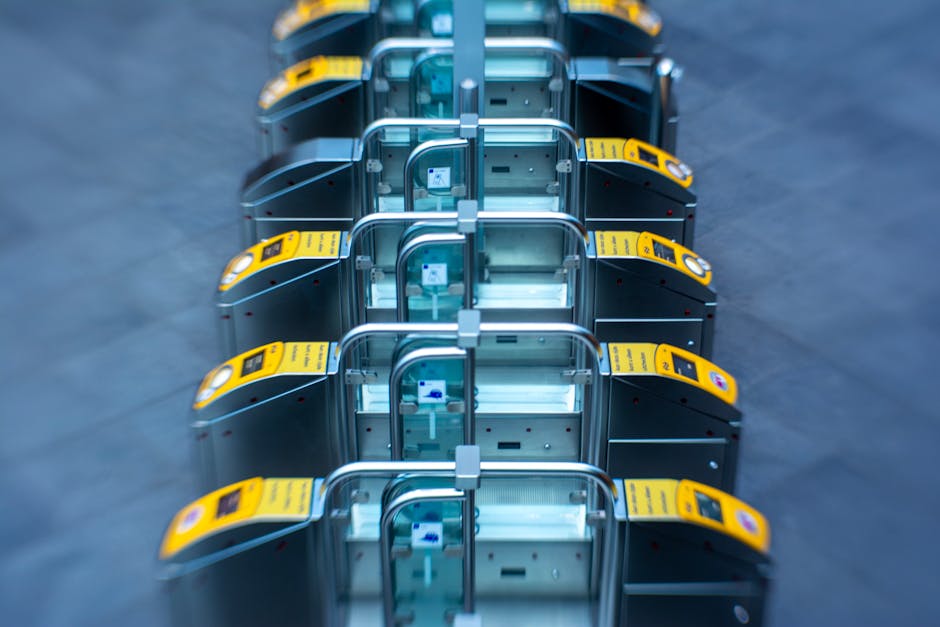
A functioning vestibule system has several key parts working together. Understanding them helps you know what you’re investing in.
The doors themselves. Usually glass or aluminum-framed for visibility, sometimes reinforced. They’re typically automatic sliding or swing doors with integrated locks.
Credential readers. Badge scanners, keypad entry, biometric readers (fingerprint, facial recognition), or mobile credentials. The system checks your credentials before either door unlocks.
Electronic locks. Electromagnetic locks, motorized door strikes, or electronic deadbolts that unlock only when the system says it’s okay. These are integrated with the access control software.
Control software. The brain of the operation. It manages who has access, when, to which doors, and logs every transaction. It can be cloud-based or on-premise.
Emergency features. Vestibules must have manual overrides for power failures and fire alarm integration for emergency egress. You can’t trap people inside during an emergency.
Environmental controls. Weather sealing, temperature control, and sometimes lighting. Vestibules are exposed transition spaces.
Setting this up correctly requires coordination between security professionals, architects, and locksmiths who understand both electronic and mechanical systems. That’s where experienced teams make a difference.
Installation and Integration Considerations
Installing an access control vestibule isn’t a weekend DIY project. It’s a professional installation that affects your building’s entrance, security posture, and daily operations.
First, you need a vestibule space. If your building doesn’t have one, you might need to build out a small entrance buffer area. That involves architecture, construction, and building code compliance. Some facilities retrofit existing entryways by narrowing the space with glass panels and adding a second set of doors.
Next, your access control system needs to handle dual-door logic. Not all systems do this well. You need software and hardware that can manage interlocking, timeout rules (how long does someone have to pass through before the system resets), and emergency overrides.
Third, lock replacement and hardware installation must be precise. These aren’t standard residential locks. They’re commercial-grade electronic locks that need proper installation to function securely and reliably. Poor installation defeats the whole purpose.
Related: Residential Deadbolt Replacement in Sarasota: A Homeowner’s Guide
Related: Car Key Fob Not Working? Replacement & Fix Guide
Fourth, you need training. Employees need to understand how to use the vestibule. Visitors need clear instructions. Security staff need to monitor the system and respond to alerts.
Fifth, ongoing maintenance is critical. Electronic locks need batteries or power supplies, card readers need cleaning, software needs updates, and the whole system needs testing. A vestibule that fails silently is worse than no vestibule at all.
When you’re ready to implement this level of security, working with professionals who understand both the physical and electronic sides is essential. Hero Locksmiths brings 22 years of experience integrating commercial locking systems with modern access control, so your facility gets a solution that actually works when it matters.
Related: Best Access Control Installation in Sarasota, FL | Commercial Locksmith
Compliance and Building Code Requirements
Before you install a vestibule, check local building codes. Every jurisdiction has rules about entry doors, fire egress, and accessibility.
The International Building Code (IBC) and your state or local amendments govern things like door width, swing direction, emergency lighting, and signage. If your vestibule blocks emergency exits or makes it harder for people to leave during a fire, that’s a code violation that will get you shut down.
Americans with Disabilities Act (ADA) compliance matters too. Your vestibule can’t require more physical effort or cognitive load to access than standard doors. If you use a keypad, you need an alternative for people with visual or motor impairments.
Check with your local building department before you start. Some jurisdictions require vestibule permits. Others have specific requirements for commercial access control. It’s cheaper to get ahead of code issues than to install something and then have to rip it out.
Vestibules vs. Other Security Measures

An access control vestibule is powerful, but it’s not a complete security solution by itself. It works best as part of a layered approach.
Vestibule + badge system. Credentials control who physically enters. Badges create accountability and audit trails.
Vestibule + surveillance. Cameras in and around the vestibule deter tailgating and document who’s coming and going. Video is your evidence if something goes wrong.
Vestibule + alarm system. Motion sensors inside the vestibule can alert security if someone forces their way in or tries to trap someone inside.
Vestibule + intrusion detection. Sensors on doors and windows catch forced entry attempts anywhere in your facility.
The goal is defense in depth. Multiple barriers, multiple sensors, multiple response triggers. A determined intruder might bypass one system. They won’t bypass three.
How Much Does an Access Control Vestibule Cost
Price varies widely depending on your facility and goals.
Basic setup: $5,000 to $15,000. Pre-built vestibule unit, standard electronic locks, basic badge reader, simple software. You’re getting entry-level security.
Mid-range installation: $15,000 to $40,000. Custom vestibule design, quality locks, multiple credential options (badge plus keypad), integration with your existing access control system, professional installation.
Related: Commercial Keypad Lock System Installation Guide
Enterprise-level: $40,000 to $100,000+. Large vestibules, biometric readers, advanced software, full integration with building management systems, redundant power supplies, comprehensive support.
Beyond the hardware, factor in installation labor (several days of work), system integration, testing, employee training, and ongoing maintenance and monitoring.
Is it worth the investment? If you’re protecting sensitive data, high-value inventory, controlled substances, or confidential operations, yes. The cost of one breach, one theft, or one security incident often exceeds what you’d spend on proper vestibule security over several years.
Getting Your Vestibule Right
Here’s the honest bottom line: an access control vestibule is only effective if it’s installed right, maintained consistently, and integrated with the rest of your security systems. A half-hearted vestibule that nobody uses correctly because the training was poor is a waste of money.
Before you commit, talk to security professionals who understand your specific risks. Walk through your facility and identify the actual threats. Do you need vestibule-level security at your main entrance, or just at specific server rooms or cash handling areas? Sometimes you can start with one critical vestibule and expand later.
Also think about user experience. A vestibule that makes employees frustrated or slows down operations gets circumvented. You need a system that balances real security with practical usability.
When you’re ready to design and install commercial access control, talking to professionals who’ve done it before saves money and headaches. Hero Locksmiths has helped Sarasota and Nokomis businesses secure their entrances with commercial-grade locking systems, access control integration, and ongoing maintenance that actually keeps your facility protected.
People Also Ask
What’s the difference between an access control vestibule and a mantrap?
They’re the same thing. “Mantrap” is older security terminology for a vestibule with interlocking doors. The term is outdated in modern usage, but the function is identical: two doors that can’t open simultaneously, creating a controlled buffer zone.
Can a vestibule work with existing doors?
Sometimes. If you have two doors close together with existing electronic locks, you can retrofit them with software-controlled interlocking. If your doors are far apart or manually operated, you’ll likely need new doors and new hardware.
What happens if the power goes out?
A properly designed vestibule has battery backup or mechanical overrides. During a power failure, the system should default to “safe egress” mode, allowing people to exit but not enter. Fire code requires this. A vestibule without power backup is a life safety liability.
Do I need a vestibule if I already have badge access on my main door?
It depends on your risk level. A badge reader stops most casual unauthorized entry, but a determined intruder can tailgate or fake credentials. A vestibule stops tailgating completely and makes fake credentials useless because they have to work twice. If your security risk is low, a badge alone might be enough. If it’s high, add the vestibule.
Need locksmith services?